
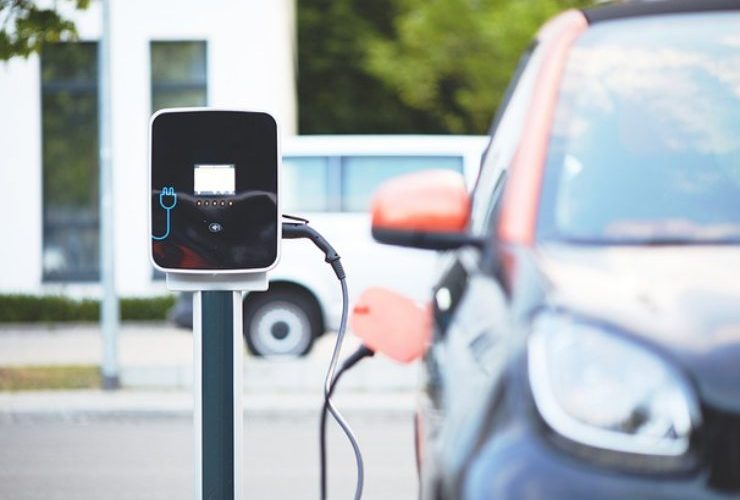
Electric cars are shaping the future of driving and there has never been a more exciting time to join the EV revolution!
With a rapidly expanding UK charging network and a growing choice of modern, efficient EV models, drivers have more flexibility than ever when it comes to going electric.
Choosing an EV can seem complicated at first, especially if you’re new to the technology. There are lots of questions about the best models, charging options and what day-to-day ownership really looks like.
Below, we’ve pulled together some key information, with support from Energy Saving Trust website. To explore further, take a look at our Electric Vehicles: Useful links and resources page.
Why go electric?
Lower Costs
Electric vehicles can offer lower running costs than petrol or diesel cars, particularly if you can charge at home.
Home charging is often considerably cheaper than refuelling with petrol or diesel, especially when using an off-peak electricity tariff. However, costs vary depending on your electricity tariff, vehicle efficiency and where you charge. Public rapid charging can be more expensive.
When comparing vehicles, it’s worth considering the overall cost of ownership, including the purchase price, charging, insurance, maintenance and vehicle taxes.
For further information, visit the Energy Saving Trust website.
Cheaper to Maintain
Fully electric cars generally have fewer moving parts and simpler mechanical systems than petrol or diesel vehicles. They don’t need engine oil changes, and regenerative braking can help reduce wear on conventional brakes.
This can mean lower servicing and maintenance costs, although electric cars still need regular checks and maintenance, including tyres, brakes and other safety-related components.
Better for the Environment
Fully electric cars produce no exhaust emissions while driving, helping to reduce local air pollution.
Although emissions are still associated with manufacturing vehicles and generating electricity, fully electric cars generally produce fewer greenhouse gas emissions over their lifetime than comparable petrol or diesel cars.
Plug-in hybrid vehicles can also reduce exhaust emissions when driven using electric power. Keeping the battery charged helps drivers make greater use of electric mode.
A More Enjoyable Driving Experience
Electric cars are generally quieter than petrol or diesel vehicles, particularly at lower speeds, and their smooth, responsive acceleration can make them pleasant to drive.
Many electric cars also have a low centre of gravity because their batteries are positioned beneath the passenger compartment, which can help with stability and handling.
As with any car, the driving experience will vary depending on the model, so it’s worth arranging a test drive before deciding which vehicle is right for you.