
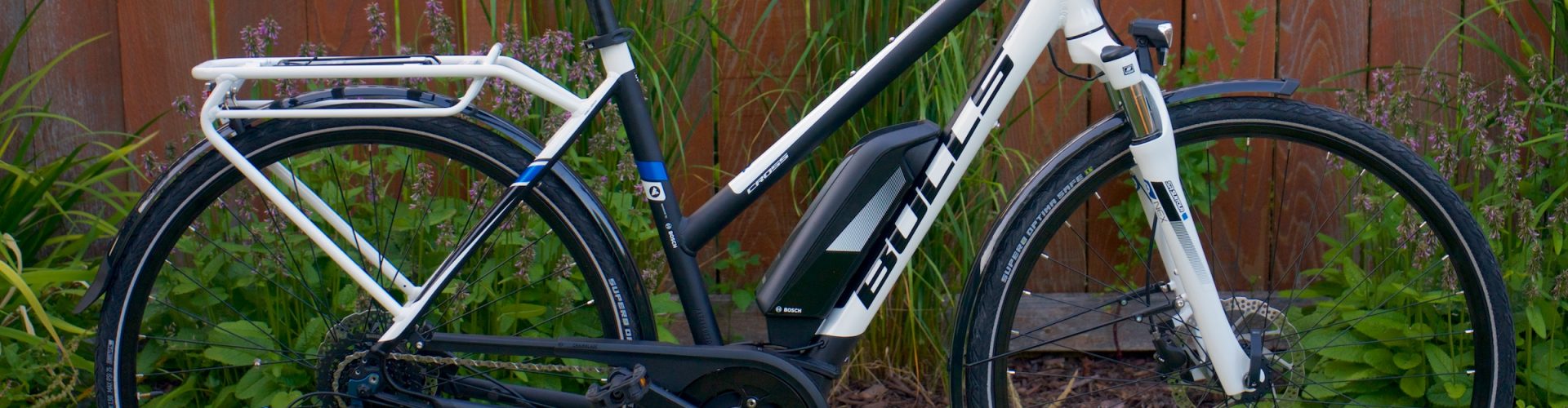
Thinking about buying an electric bike? Whether you’re commuting to work, heading into town or exploring the countryside, an e-bike could make cycling easier and help you travel further with less effort.
Electric bikes are particularly useful for tackling hills, carrying shopping or making longer journeys that might otherwise feel too demanding.
What is an e-bike?
An electric bike looks and works much like a conventional bicycle, but includes a battery-powered motor that provides assistance as you pedal.
Most e-bikes allow you to choose between different levels of assistance, so you can decide how much help you need. The motor makes pedalling easier, particularly when climbing hills or setting off, but you’re still getting exercise.
Which type of e-bike is right for you?
There are several types of electric bike available, depending on how and where you plan to ride:
- Hybrid and commuter e-bikes are versatile options for everyday journeys, including commuting, shopping and leisure cycling.
- Folding e-bikes are useful if you have limited storage space or want to combine cycling with public transport.
- Electric mountain bikes are designed for off-road riding, with features suited to trails and more challenging terrain.
- Cargo e-bikes can carry shopping, equipment or, depending on the model, children, making them a practical alternative to the car for some everyday journeys.
You can also find step-through designs that make getting on and off the bike easier.
What should you look for when buying?
Battery range: Consider how far you’ll typically travel, including your return journey. The distance an e-bike can cover on a single charge varies depending on the battery, terrain, weather, rider weight and level of assistance used.
Motor and assistance: E-bikes have different motor systems and assistance settings. Some offer a more natural pedalling feel, while others provide stronger assistance for hills or carrying loads. Trying a few bikes can help you decide what suits you.
Weight and storage: E-bikes are generally heavier than conventional bikes, so think about where you’ll store yours and whether you’ll need to lift it or carry it upstairs.
Comfort and fit: Choose a bike that feels comfortable and is the right size for you. Consider the riding position, saddle, handlebars and how easy it is to get on and off.
Servicing and support: Check that replacement batteries, chargers and spare parts are available, and that you can access servicing and repairs when needed.
Buying and charging safely
It’s important to buy an e-bike from a reputable retailer and make sure it meets the relevant UK safety requirements.
Always use batteries and chargers approved by the manufacturer, and follow the instructions for charging and storage.
Be particularly careful when buying second-hand e-bikes, replacement batteries or conversion kits, as it may be harder to confirm their condition and safety.
Are e-bikes legal to ride on the road?
Most electric bikes sold by reputable UK retailers are designed to meet the rules for electrically assisted pedal cycles (EAPCs).
To qualify, an e-bike must have pedals that can propel it, a motor with a maximum continuous rated power of 250 watts, and motor assistance that cuts off above 15.5 mph.
You must be at least 14 years old to ride an EAPC, but you don’t need a driving licence, vehicle tax or insurance. You can use cycle routes and other places where conventional bicycles are permitted.
Some more powerful electric bikes fall outside these rules and are legally treated as motor vehicles.
For full details, including the rules for throttle-controlled bikes, visit GOV.UK.
Try before you buy
If possible, take an e-bike for a test ride before making a decision. This will help you understand how the motor assistance feels, check that the bike is comfortable and decide which features are most important to you.
A reputable cycle retailer can also advise on the most suitable type of e-bike for your needs and budget.