
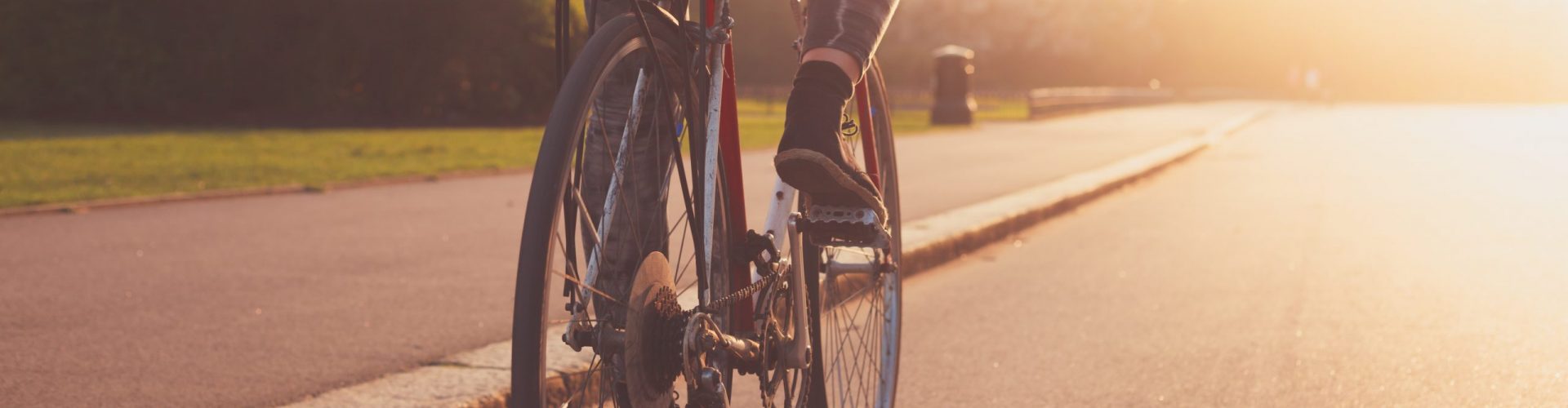
Depending on how you use your bike a bike lock might be an essential, cheap and easy way of making sure nobody makes off with your wheels! There are plenty of different options available, so here’s our guide to choosing the right lock to keep your bike safe and secure.
How do bike locks work?
Different bike locks do different jobs, but most commonly they help to deter thieves from attempting to steal bikes in a couple of ways:
Immobilise
The easiest way to make off with someone’s bike is to jump on and pedal it away. If you’ve got a bike lock that feeds through the wheels and stops the bike from moving, then it makes it harder for someone to ride off on it!
Fasten
By securing your bike to an immovable object, thieves will have a hard time simply picking it up and taking it away.
In most cases, a bike lock will fasten around the bike (either through the frame or through both the frame and wheels) and then lock in place, using either a combination lock that is locked and unlocked with a number code set by the users, or a conventional lock that uses a key.
You can then fasten the lock to a lamppost, bike rack, railing or even a bench – just make sure the whole bike and lock can’t be lifted over whatever it is you’re fastening it to!
Which is the best bike lock?
There are lots of different bike locks available, and the best choice will depend on the value of your bike, where you leave it and how long it will be unattended.
When choosing a lock, look for an independent security rating, such as Sold Secure. Locks are tested against different methods of attack and awarded one of four ratings: Bronze, Silver, Gold or Diamond, with Diamond offering the highest level of security.
For more valuable bikes, particularly e-bikes, it’s worth investing in a high-quality lock. If your bike is insured, check whether your insurer requires a particular security rating.
Remember, no lock is completely theft-proof, but a good-quality lock can make your bike a much less attractive target.
Bike lock types
D Locks
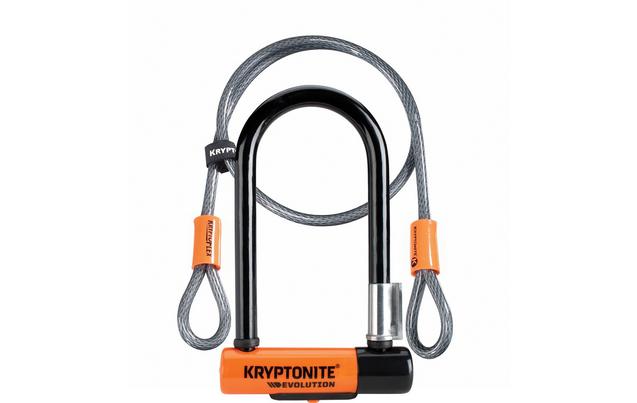
As one of the most popular bike lock variants, D locks use a strong curved tube of steel that can be slotted between wheel spokes or around the bike frame and then hooked to a bike rack, railing or secure unit. A locked bar is then added to each end of the tube to keep it in place, with either a key or combination code.
Most D locks come with a frame that can be attached to your bike so you can easily ride with your D lock without having to carry a bag around.
Chain Locks
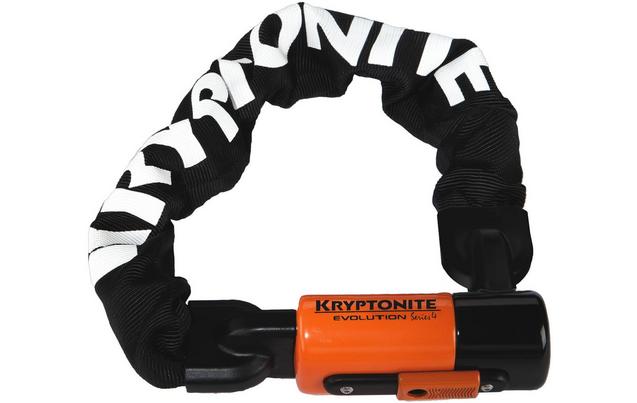
Chain locks use a set of heavy duty chain links with locking mechanisms at each end to keep it in place. Again, the chain can be fed through the bike frame or around the wheel and then fastened around a bike rack (or alternative).
The bonus of a chain lock is that it can easily be wrapped around your bike frame whilst you ride, making it much easier to transport.
Cable Locks
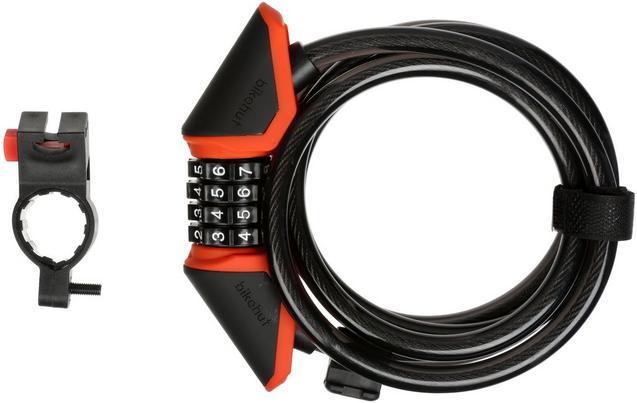
Cable locks are lightweight and flexible, making them useful for securing accessories or providing additional protection alongside a stronger lock. However, they generally offer less security than good-quality D-locks or chain locks and shouldn’t be relied upon as the main way of securing your bike.
Anchor Locks
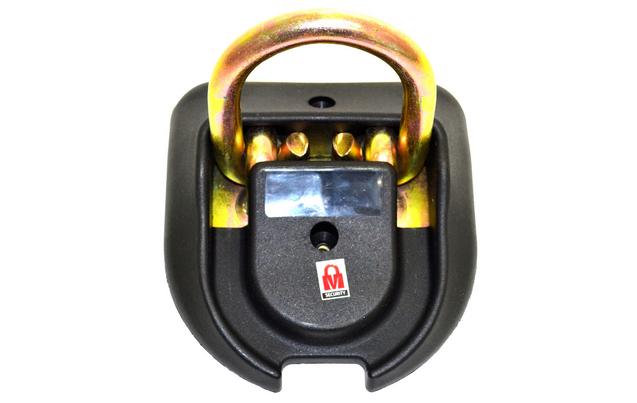
If you park your bike in your garden shed or garage, then an anchor lock may be a good solution. Using a heavy duty ring that fastens to a wall or even into the ground, cyclists can then feed shackles or a chain around their bike frame or wheels to moor it in one place.
Other bike security tips
Choosing a good lock is important, but how and where you secure your bike can make just as much difference.
Register your bike. Record your bike’s frame number and register it with BikeRegister, the UK’s national police-approved bicycle registration scheme. Registration is free and can help the police identify your bike if it is stolen and recovered.
Use two locks where possible. Using two different types of lock, such as a D-lock and a chain lock, can make it harder for thieves to steal your bike.
Secure the frame and wheels. Lock your bike to a sturdy, immovable cycle stand, securing the frame and both wheels wherever possible. Keep the locks off the ground and close to the stand.
Choose somewhere visible. Look for well-lit, busy locations with dedicated cycle parking and CCTV where available.
Remove valuable accessories. Take removable lights, displays and other accessories with you. If you have an e-bike, consider removing its battery where practical.
Secure your bike at home. Bikes can also be stolen from sheds, garages and gardens, so consider using a strong lock and a suitable ground anchor.